Watching more hair than usual collect in your brush or shower drain can be unsettling, especially when thinning seems to progress despite using shampoos, supplements, or home remedies. While occasional shedding is normal, persistent hair loss often signals an underlying issue that deserves attention. Platelet-rich plasma (PRP) therapy has become a widely discussed option, but can it truly reduce hair shedding? This post explains what PRP does, who may benefit, and what results to expect.
Understanding Why Hair Shedding Happens
Hair naturally cycles through phases of growth, transition, and rest. Most people lose between 50 and 100 hairs each day as part of this normal process. However, increased shedding may occur because of genetics, hormonal changes, stress, nutritional deficiencies, illness, or aging.
The key to successful treatment is identifying the cause rather than simply addressing the symptom. A comprehensive hair loss evaluation often includes reviewing medical history, examining the scalp, and determining whether the condition is temporary or part of progressive pattern hair loss.
What Is PRP Hair Loss Treatment?
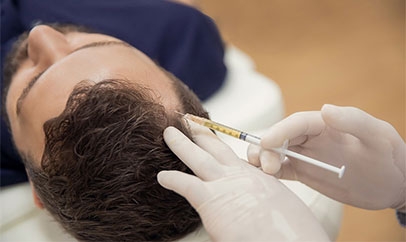
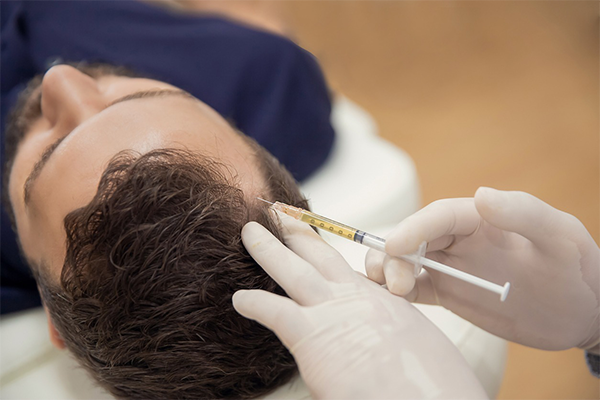
Platelet-rich plasma, commonly known as PRP, uses a patient's own blood to create a concentrated solution rich in platelets and growth factors. After processing the blood, the platelet-rich plasma is carefully injected into areas of the scalp experiencing thinning hair.
The growth factors released by platelets are believed to support the health of hair follicles, improve blood supply, and encourage follicles to remain in the active growth phase for a longer period. Because PRP uses the patient's own blood, the treatment carries a low risk of allergic reactions.
Can PRP Actually Stop Hair Shedding?
PRP is not an instant cure for hair loss, but research suggests it can significantly reduce excessive shedding in appropriately selected patients. Many individuals notice that hair loss slows within the first few months of treatment, followed by gradual improvements in hair thickness and density.
The treatment works best when hair follicles remain alive but have become weaker or miniaturized. By stimulating these follicles, PRP may help strengthen existing hair and reduce the rate of ongoing shedding. Patients with advanced baldness where follicles are no longer active are generally less likely to experience meaningful regrowth from PRP alone.
Who Is a Good Candidate for PRP?
PRP is commonly recommended for individuals experiencing:
- Early male or female pattern hair loss
- Diffuse thinning
- Hair shedding following stress or illness after appropriate evaluation
- Hair loss that has not responded adequately to conservative treatments
Many hair restoration specialists combine PRP with personalized medical therapies, scalp health management, or advanced hair restoration procedures when appropriate. This individualized approach helps address multiple factors contributing to hair loss instead of relying on a single treatment.
When Will You Notice Results?
Patience is important because hair grows slowly. Most patients undergo a series of initial PRP sessions followed by maintenance treatments based on their individual needs.
Many people begin noticing reduced shedding within two to three months. Visible improvements in hair fullness often become more apparent after three to six months, while optimal results may continue to develop over the following months. Since hair loss is often progressive, ongoing maintenance may help preserve the benefits achieved.
PRP Is Most Effective as Part of a Comprehensive Hair Restoration Plan
PRP should not be viewed as a standalone solution for every type of hair loss. The best outcomes usually come from combining accurate diagnosis with individualized treatment planning.
Depending on the cause and severity of hair loss, a comprehensive approach may include medical therapy, nutritional guidance, low-level laser therapy, scalp treatments, or hair transplantation for suitable candidates. Modern hair restoration practices often tailor treatment plans according to each patient's age, pattern of hair loss, lifestyle, and long-term goals.
Choosing the Right Evaluation Matters
Not everyone experiencing increased shedding requires the same treatment. A careful evaluation helps determine whether PRP is likely to provide meaningful improvement or whether another option would be more effective.
For individuals in Newport Beach and Beverly Hills, consulting an experienced hair restoration provider can help distinguish between temporary shedding and progressive hair loss, allowing treatment to begin before significant follicle loss occurs.
Frequently Asked Questions
Does PRP permanently stop hair shedding?
No. PRP can reduce excessive shedding and strengthen existing hair follicles, but maintenance treatments are often recommended because many forms of hair loss are progressive.
How many PRP sessions are usually needed?
Most patients begin with a series of treatments spaced several weeks apart, followed by periodic maintenance sessions based on their response and ongoing hair loss pattern.
Is PRP painful?
Most patients tolerate PRP well. A topical numbing agent may be used before treatment to improve comfort, and the procedure is generally completed within about an hour.
Can PRP regrow hair in completely bald areas?
PRP is most effective for thinning hair where living hair follicles are still present. Areas with long-standing complete baldness may require other hair restoration options.
Is PRP suitable for both men and women?
Yes. PRP is commonly used for both men and women experiencing certain types of hair thinning or early pattern hair loss, although candidacy depends on the underlying cause of hair loss.
If you are concerned about ongoing hair shedding or thinning, a personalized evaluation can help determine whether PRP or another hair restoration approach is appropriate for your specific condition. Early assessment often provides the greatest opportunity to preserve existing hair and achieve long-term results.
Authorship: Dr. Nader Ronaghi, MD is a board-certified physician and leading hair restoration specialist based in Newport Beach, California. A Diplomate of the American Board of Hair Restoration Surgery (ABHRS) and active member of the International Society of Hair Restoration Surgery (ISHRS), he brings over a decade of experience in advanced FUE and FUT hair transplantation, regenerative therapies, and aesthetic medicine. As Founder and Medical Director of Pure Hair Restoration in Newport Beach, Dr. Ronaghi is recognized for his meticulous technique, natural results, and commitment to innovation and patient-centered care.
Disclaimer
The information provided on this page is intended for educational purposes only and should not be considered medical advice. Always seek the guidance of a qualified physician regarding any medical condition or treatment.